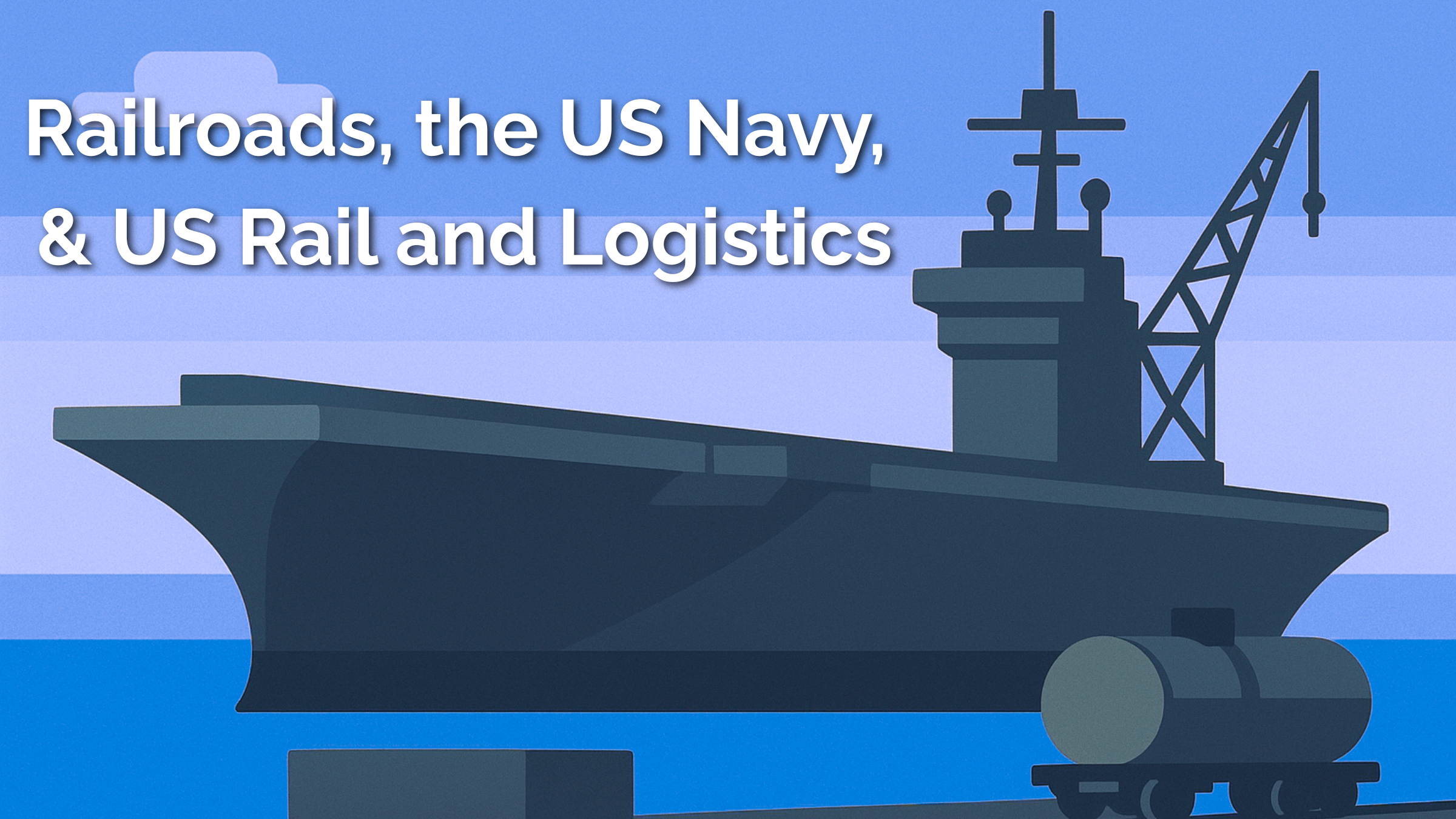
The United States Navy is one of the most powerful maritime forces in the world. With more than 290 deployable battle force ships, including 11 nuclear-powered aircraft carriers, 70 submarines, and dozens of destroyers, cruisers, and amphibious assault vessels, the U.S. Navy ensures American power projection across the globe.
But behind this massive fleet lies a lesser-known system of logistics, supply chains, and industrial processes. These operations keep vessels not just seaworthy, but fully mission-ready.
Naval Ship Maintenance in Hampton Roads
The Hampton Roads region in Virginia is home to five major naval maintenance yards:
- Norfolk Naval Shipyard (NNSY)
- Newport News Shipbuilding
- BAE Systems Ship Repair
- General Dynamics NASSCO
- Mid-Atlantic Maintenance Center
Within these shipyards, dry docks and cranes work nonstop to restore vessels. Corrosion is removed, hulls are repaired, and ships emerge from maintenance cycles ready to withstand the demands of deployment.
Why Abrasive Blasting Is Critical
One of the most important steps in ship maintenance is abrasive blasting, often called sandblasting. This process strips away rust, old coatings, barnacles, and marine growth so new protective coatings can be applied.
Abrasive blasting is not cosmetic. It is essential for:
- Extending the service life of ships
- Reducing drag and improving fuel efficiency
- Preserving structural integrity and safety
The Navy cannot afford downtime. A steady supply of abrasive material, such as steel shot, garnet, or coal slag, is vital for keeping ships in service. These materials are produced nationwide and shipped to Norfolk using the U.S. rail network.
The Logistics Challenge: No Direct Rail Access
Norfolk Harbor’s naval facilities lack direct heavy rail access. This creates a logistical challenge: how do you get bulk abrasives from railcars to the shipyards efficiently?
That’s where US Rail and Logistics comes in.
How USRL Bridges the Supply Chain Gap
At its Virginia Beach transload facility, US Rail and Logistics receives abrasives by rail from Norfolk Southern and CSX via the Buckingham Branch Railroad. From there, the material is efficiently transloaded from railcars to trucks using conveyor systems.
- Bulk truck loading delivers large quantities directly to shipyards.
- Packaging services provide flexible options for smaller-scale deliveries.
- Final-mile distribution ensures abrasives are delivered securely inside naval facilities, which require special documentation and clearance.
Every year, US Rail and Logistics helps move an estimated 35,000–40,000 tons of abrasive material into Hampton Roads shipyards. This supply chain is essential for keeping maintenance operations on schedule.
The Cost of Corrosion and Fuel Inefficiency
The ocean is relentless. Saltwater corrosion eats away at steel hulls, while marine growth like barnacles and algae can increase drag by up to 60%. That can drive fuel consumption up by 20–30%.
For a carrier such as the USS Dwight D. Eisenhower, which displaces 100,000 tons and burns roughly 100,000 gallons of fuel per day, inefficiencies are costly.
By enabling effective abrasive blasting, US Rail and Logistics and the railroads help reduce corrosion, improve fuel efficiency, and extend ship readiness.
Norfolk Naval Shipyard: A Closer Look
Founded in 1767, Norfolk Naval Shipyard (NNSY) is the Navy’s oldest and largest shipyard. It specializes in nuclear vessel overhauls, including servicing carriers like the USS Gerald R. Ford and Virginia-class submarines.
Maintenance cycles at NNSY are precise and long-term:
- Carriers undergo planned maintenance every 32 months.
- Nuclear refuelings happen roughly every 25 years.
Abrasive blasting begins the preservation process, after which ships are coated with protective layers up to 20 mils thick. This reduces corrosion by 90% and even improves speed.
NNSY is also investing in new technology, such as robotic blasting systems and AI-powered coating inspections. But despite modernization, reliable supply chains remain the foundation of naval readiness.
Economic Impact of Rail and Transloading
The importance of rail and transload logistics extends far beyond the shipyards. Virginia’s $20 billion maritime economy relies on efficient supply chains.
- Shipyard activity supports 43,000 jobs in the Hampton Roads region.
- These jobs generate $2.5 billion annually in wages and economic activity.
- Without reliable abrasive supply chains, costs would rise, threatening both jobs and Navy readiness.
Conclusion: Railroads and US Rail and Logistics Power Naval Readiness
The U.S. Navy’s global strength depends not only on ships and sailors but also on the supply chains that keep them operational. Railroads deliver raw materials, and US Rail and Logistics ensures those materials reach naval shipyards efficiently and securely.
By bridging the gap between rail and port, US Rail and Logistics helps sustain naval power, fuel the regional economy, and ensure America’s fleet remains mission-ready.

Chase Arthur
Vice President of Sales
Chase has had extensive sales and marketing experience in petroleum and chemical products, construction materials, consumer products, and intermodal. He joined US Rail & Logistics in 2022.
When Chase isn’t finding ways to grow business, he supports his wife Lacie in the corralling of their two young boys Cade and Cole.



Leave a Reply